

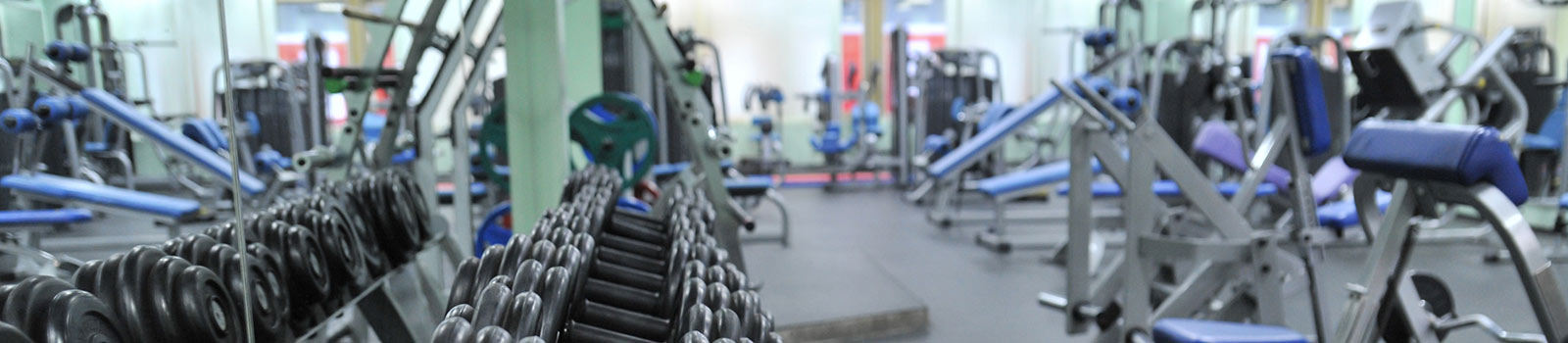
Athletics
Today's athletes, coaches, and facility managers face growing concerns about the spread of infectious bacteria and viruses. Proper infection control practices are critical for maintaining cleaner, safer athletic environments, from locker rooms to synthetic turf.
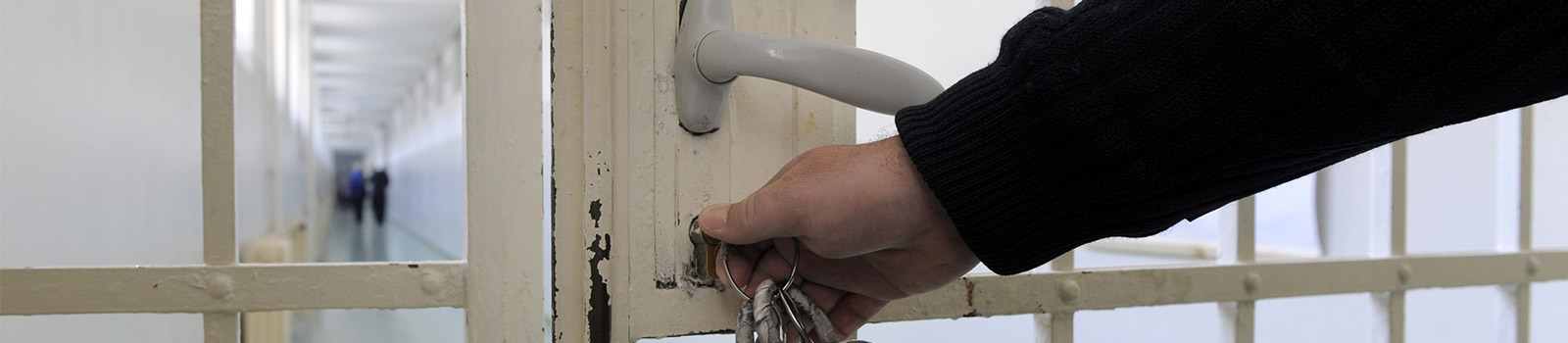
Corrections
Correctional facilities face unique infection control challenges. High occupant density, shared spaces, and frequent contact can increase the risk of cross-contamination and the spread of harmful bacteria such as Staph and MRSA. Effective cleaning and hygiene protocols are essential for protecting both staff and inmates.
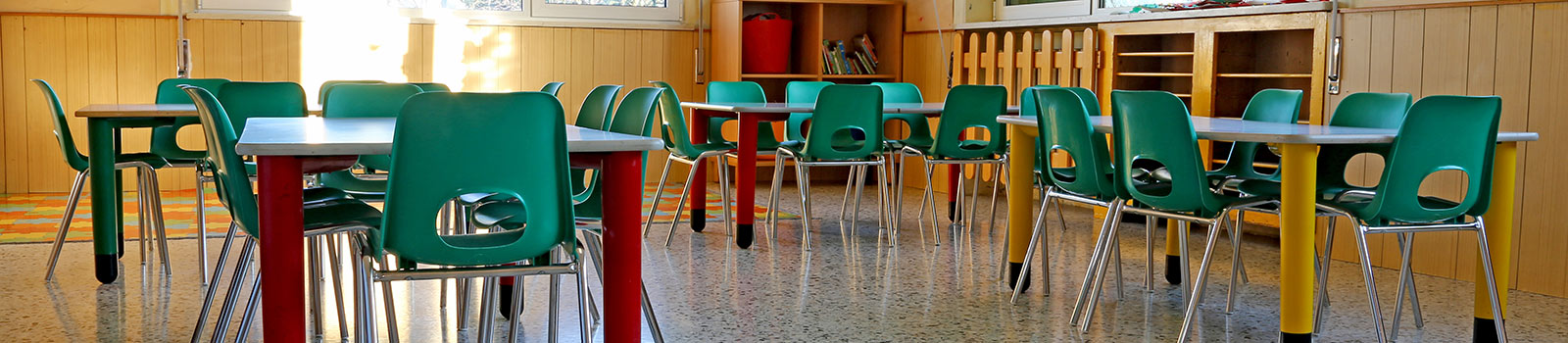
Education
Creating a clean, hygienic environment is a top priority for schools and childcare facilities. Comprehensive infection control practices help support healthier classrooms and common areas while giving parents and caregivers added peace of mind.
Healthcare
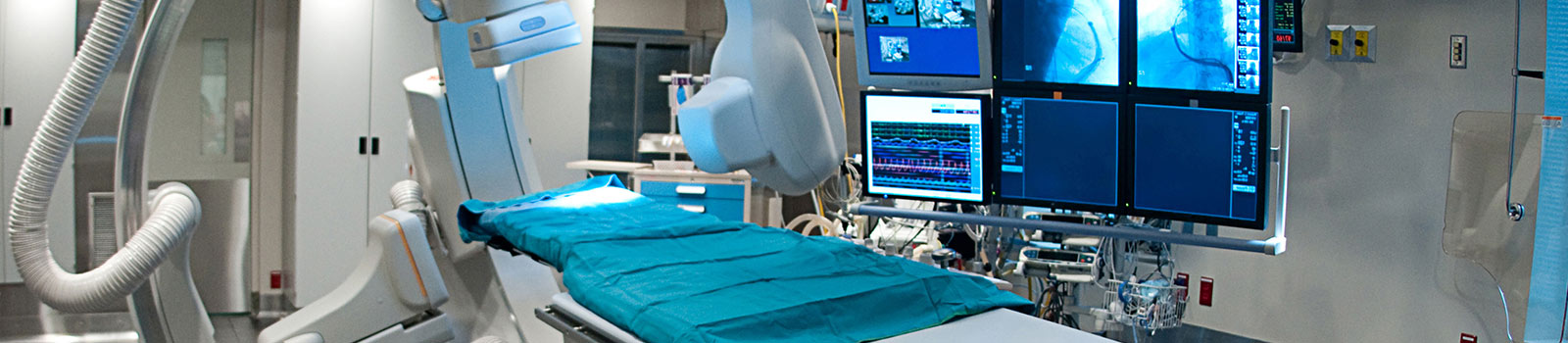
Healthcare facilities rely on comprehensive cleaning and infection control programs to help reduce the spread of harmful microorganisms and support patient safety. Effective disinfection of high-touch surfaces, textiles, and skin helps create healthier environments for patients, staff, and visitors.

Laundry
Proper textile care plays a critical role in maintaining cleanliness, hygiene, and odor control across a wide range of facilities. Effective laundry programs help ensure linens, uniforms, towels, and other textiles are consistently clean, fresh, and ready for use.
Public Safety
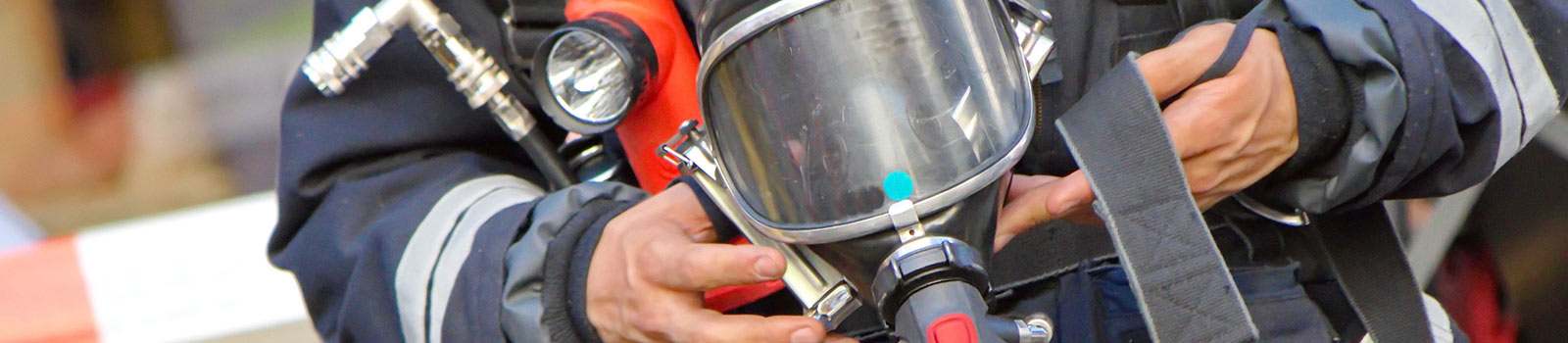
First responders and military personnel work in environments where exposure to pathogens, bodily fluids, and hazardous materials is a daily reality. Effective cleaning and disinfection programs help support their health, safety, and operational readiness.
Senior Living
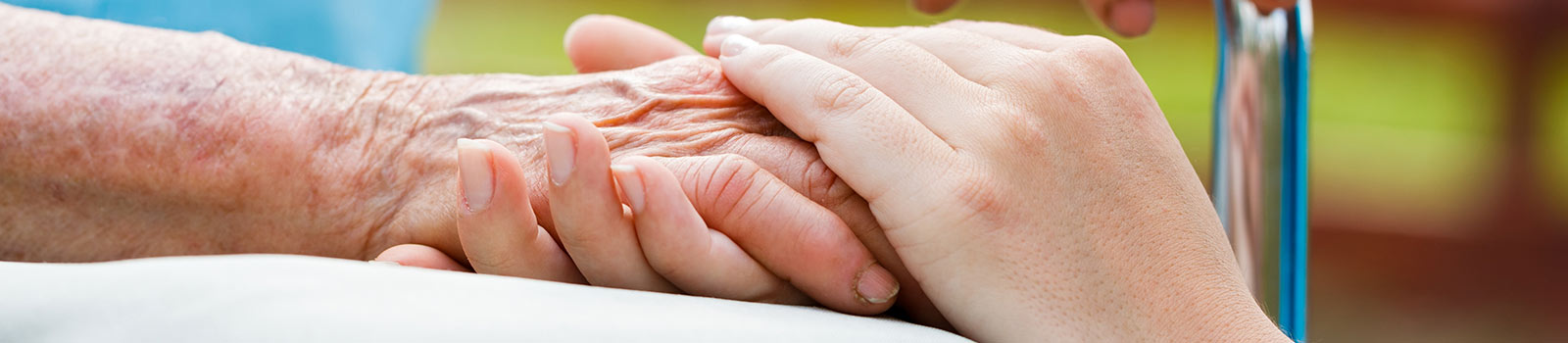
Protecting the health of residents, staff, and visitors is a critical priority in senior living communities. Comprehensive cleaning, disinfecting, and hand hygiene programs help support healthier environments throughout the facility.